

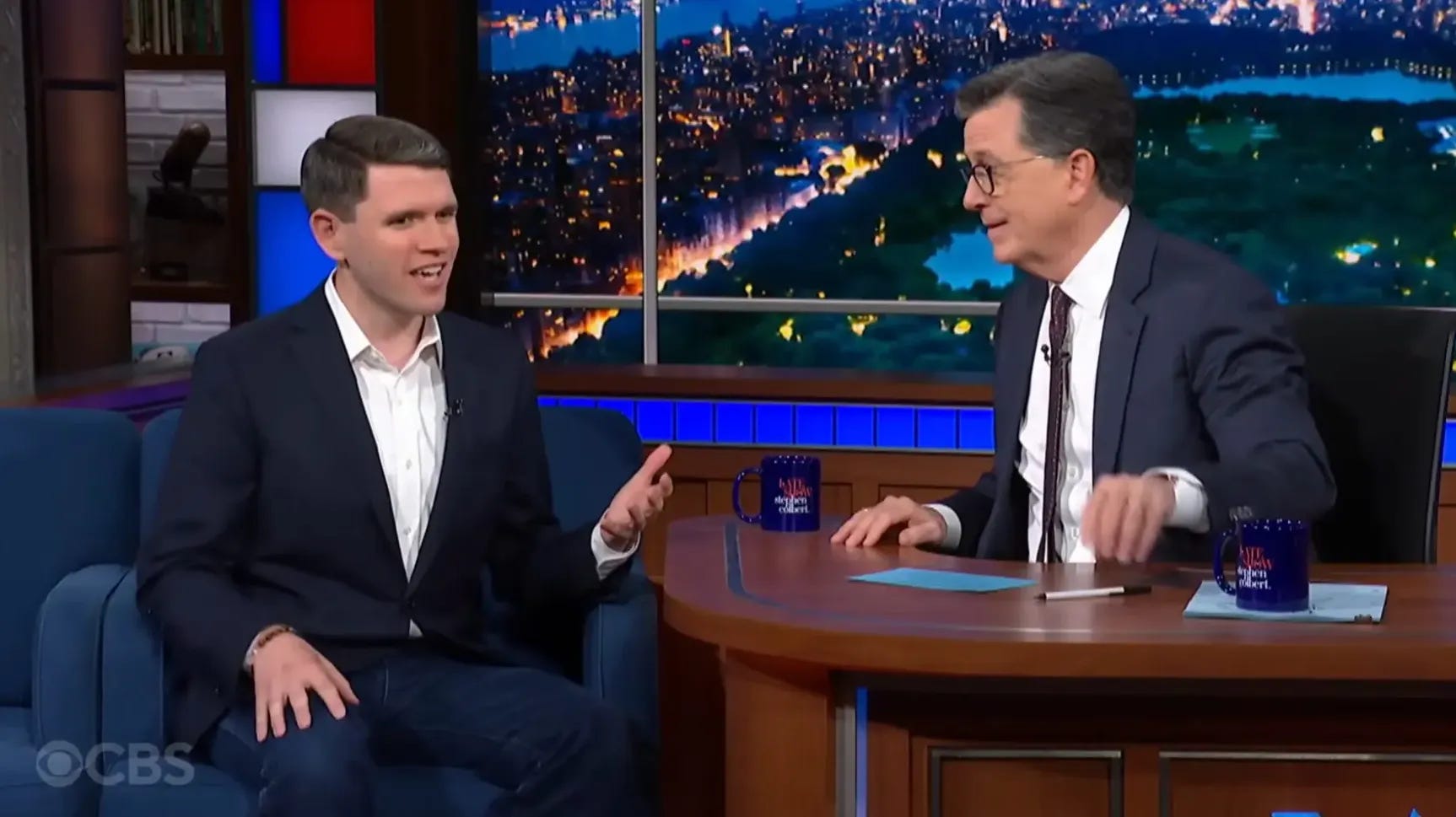
When people panic, we become especially manipulable — and bad actors take advantage of us.
That’s happening now. As I explain in the latest episode, the media has been fueling panic by misrepresenting a big political story in recent days. It involves Stephen Colbert, U.S. Senate hopeful James Talarico, and claims of censorship.

People are understandably panicked about Trump’s authoritarian moves and instincts. So they set aside everything else. They don’t look at the past. They don’t think to the future. They just think, “We must fight this thing right now.”
But we can call out Trump’s dangerous actions, look to the past to draw lessons, and think about the future repercussions of actions we take today. All of these things can and should happen simultaneously. They don’t conflict with each other.
The news media should lead the way in making this happen. Instead, it’s capitalizing on fear.
The lesson from history
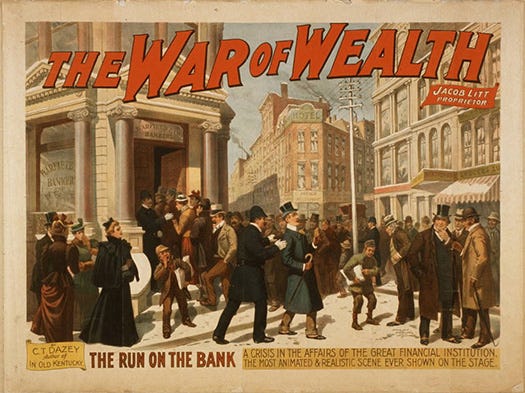
Amid The Panic of 1857, people who had money rushed to the banks, “eager to make deals that, just a week before, they would have shunned as a ruinous sacrifice,” abolitionist James S. Gibbons wrote the next year. When people are in such a state, they’re willing to do things they previously would not have considered.
Once you see this, you can’t unsee it. Trump fuels panic by telling people lies about the economy and illegal immigrants. It helps him, and the far right in general, get support from voters who would otherwise be put off.
Meanwhile, far-left groups feed on people’s panic about Trump, using it to move their own radicalized, anti-democratic people into positions of power. And both sides are hoping the current panic creates legal precedents that they can use to their advantage in the future.
We need a news industry that stops the madness, and focuses on the two ingredients of truth: facts + context. Instead, Big Media has built a business model around the rage economy.
We can do better. That’s why They Stand Corrected exists. The 100th episode is coming up!
Supporters: Share thoughts, questions, etc. via these links. You help determine what I cover.

You’re taking the road less traveled by holding “both” sides of media accountable. Thank you!
How do I resume listening to one of your podcasts? In Substack, I have to start at the beginning.