


If you’ve ever written or read a book, this episode is for you. It’s the story of how different parts of the publishing world are colluding to exclude truth-tellers.
Authors who stand up to hatred are having trouble getting published. But that’s just the beginning. When they do manage to get published, the rest of the literary establishment shuns them.
Prestigious “book review” publications hold enormous influence. The reviews they publish signal to readers which books are worth purchasing. And they signal to mainstream media which authors to pay attention to.
In recent years, these sites have been refusing to cover books from authors fighting against the biggest hate movement of our time, AZHM (the antizionist hate movement). Instead, they publish laudatory articles in support of that hate movement.
This all came to a head in recent days. Author Shai Davidai has an important new book titled American Intellectual Antisemitism: The Anti-Jewish Movement Tearing Through Our Universities. A former Columbia professor, he heroically took up the fight against pro-terror radicals on campus. As he discussed in an interview with me, the media has misrepresented him throughout this experience.
When You’re at the Center of a Media Firestorm
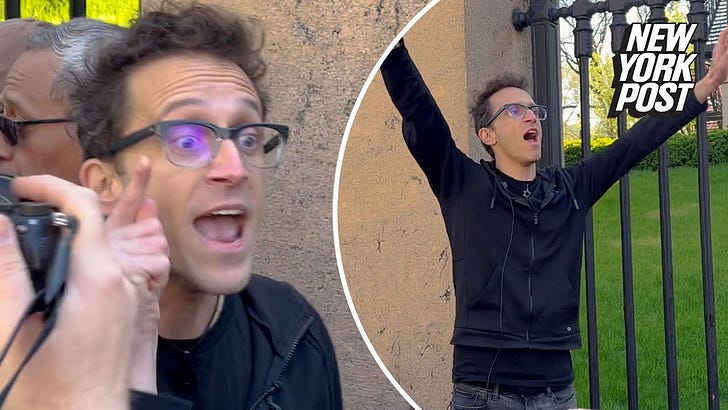
He just wanted to teach students, to help them become ethical business leaders of the future. His research covered topics like “economic inequality and social progress.”
Writer Melissa Uchiyama pitched an interview with him to the Los Angeles Review of Books, a powerhouse publication. (The Los Angeles Times once called it a “cultural force.”) They said yes. She’s written for them before, so she knows the kind of pieces they expect. But when she turned it in, the Review canceled it altogether.
She offered to make changes, but they wouldn’t hear of it. They regretted greenlighting an interview with Shai at all.
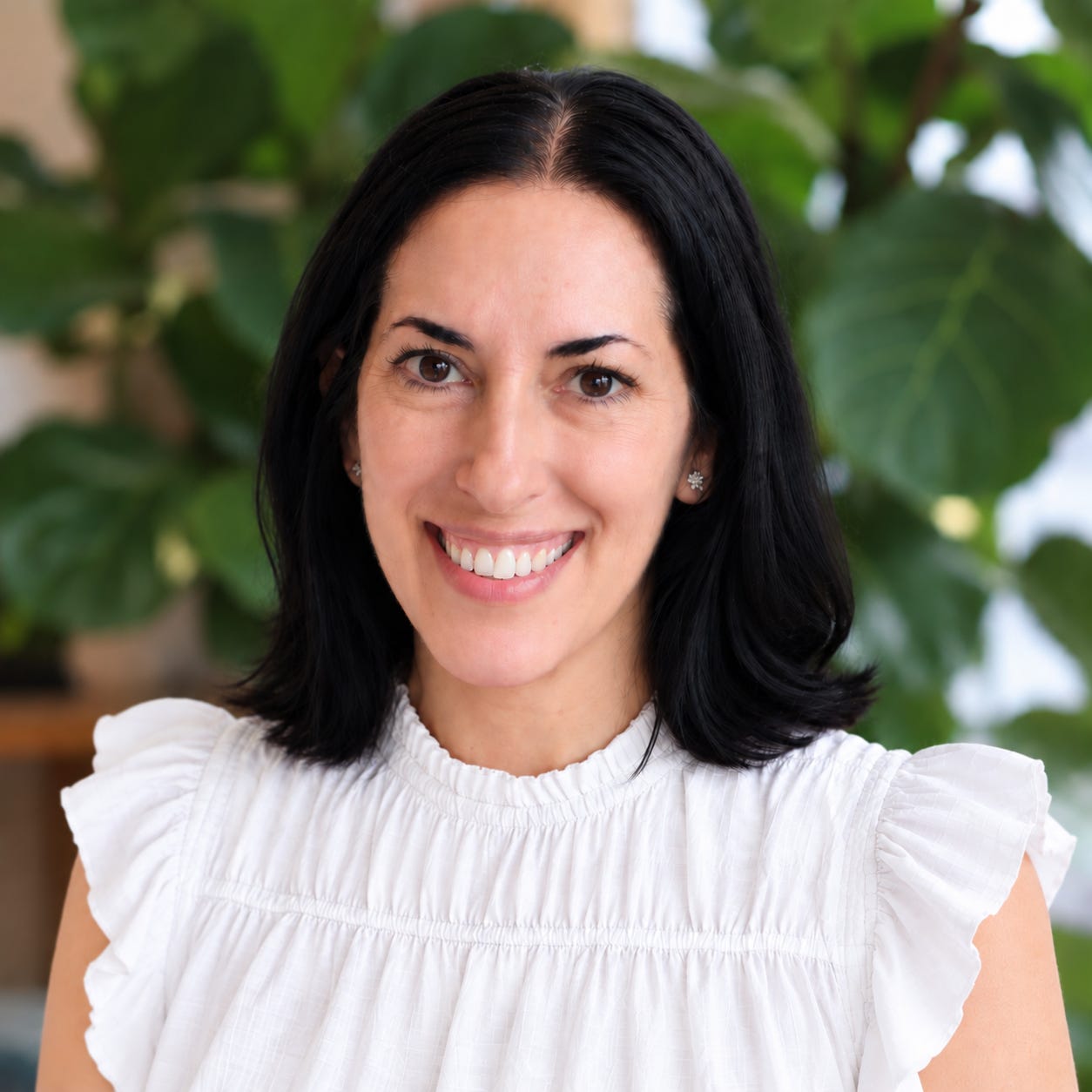
Joining me in this episode, Melissa reads from the internal emails. She talks through what this means for the literary world. (You’ll hear how The New York Times played a pivotal role.) It’s a window into how propagandists are overtaking the book-publishing ecosystem with help from the mainstream media.
